

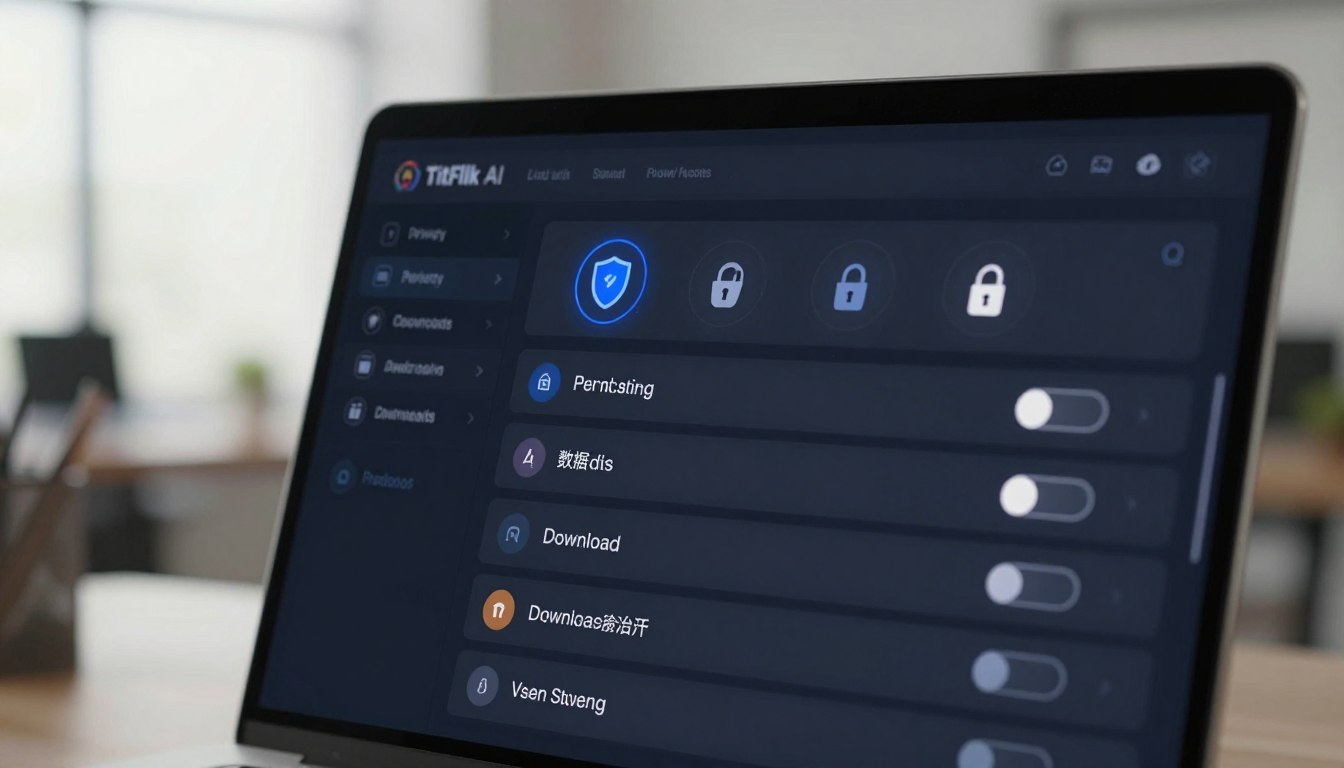
Ever wondered how safe your private files really are when you use TitFlik? Understanding how the platform handles your data helps you protect personal images and keeps many people from unintended exposure.
You should review where your images are saved and which tools control access. TitFlik’s dashboard shows local downloads and cloud controls so you can limit sharing. Being proactive reduces the chance that sensitive porn files or other private material leak to others.
Take a few minutes to learn how artificial intelligence processes your files and what the platform logs. Small steps—like toggling access, checking storage locations, and using built-in removal tools—give you real control over your digital footprint.
Key Takeaways
- Check storage locations to know if your images are local or in the cloud.
- Use built-in tools to restrict access and reduce exposure risks.
- Review the dashboard regularly to confirm how your data is handled.
- Understand how artificial intelligence processing can affect many people.
- Act now to prevent accidental sharing of sensitive files.
Understanding AI Porn Privacy Settings and Data Control
You face real risks when manipulated media appears without consent or context.
Non-consensual images and deepfake creation changed how people handle personal data. Laws are evolving: South Carolina became the 50th state to pass revenge porn legislation last year. Other governments are taking action too.
The U.K. even threatened to ban platforms that allowed explicit deepfake images, including those involving children. That shows enforcement can be swift when media endangers vulnerable individuals.
The Risks of Non-Consensual Imagery
Manipulated image content can harm victims fast. Shared files and recreated media may spread beyond your control.
Protecting others means thinking about how your image and data might be reused by others. This is a major problem for regulators and for victims seeking protection.
Balancing Privacy and Personal Use
You must weigh personal use of tools against the rights of a person shown in content. Understanding the law and who is responsible in a given case helps you make safer choices.
| Issue | What it affects | Action you can take |
|---|---|---|
| Deepfake creation | Images, media reputation | Limit sharing; verify requests |
| Legal enforcement | Victims, rights, states | Know local laws; report abuse |
| Data reuse | Children, vulnerable individuals | Avoid uploading sensitive files |

Configuring Local Download and Cloud Storage Preferences
Start by choosing where your files land: local folders or cloud drives.
Prioritize local downloads so your sensitive image files remain on devices you control. When you keep files local, fewer copies of data travel to third‑party servers. That lowers the chance a private image or pornography file is exposed.
When you use artificial intelligence for creation, cloud storage can introduce risk. Cloud accounts may sync automatically, and backups can duplicate data without clear notice.
Verify your software so no porn data or other sensitive information is sent to shared accounts. Every person who uses these tools should confirm the default save path and turn off auto‑sync when needed.
- Set default save to a local folder.
- Disable auto‑upload and automatic backups.
- Audit cloud accounts regularly to see what data exists.
Managing tech preferences gives you control while still allowing responsible use of creative tools. Small checks prevent broad data exposure and protect other people shown in your files.
Navigating the Legal Landscape of AI-Generated Content
You now face a stronger legal framework when someone shares or fabricates intimate images without consent.
New federal and state laws give victims more ways to stop harm and seek damages.
Federal and State Protections for Victims
The U.S. Senate passed a bill this month that lets deepfake victims sue those who create or share harmful image content.
On May 19, 2025, the TAKE IT DOWN act became law. It requires social media services to remove non‑consensual pornography within 48 hours of a report.
These changes mean individuals can report a case and expect faster removal and stronger enforcement across states.

- Report quickly: Use platform tools to prompt the 48‑hour takedown rule.
- Know your rights: Federal and state laws now offer civil remedies and criminal penalties in many cases.
- Stay informed: Liability questions for tools and services are evolving; follow updates to protect your data and others.
“When you report non‑consensual imagery, you exercise your rights to stop further sharing and protect personal information.”
Utilizing Digital Tools for Enhanced Personal Safety
Tools that spot fake media and clear reporting paths help keep abusive content from spreading.
Use a mix of automated detection and human review to protect data and people shown in images. Fast action cuts the reach of harmful content and helps victims regain control.
Detection Software for Harmful Content
Platforms now deploy specialized tech to flag deepfakes and other abusive files. The Lantern initiative, by the Tech Coalition, uses signals that speed up detection.
These tools reduce spread by catching manipulated content before it goes viral. They are vital to protect children and other vulnerable people.
Reporting Mechanisms for Platforms
If you find harmful images, use the platform’s report flow right away. Quick reports trigger takedown processes and can start enforcement under new laws.
- Follow the platform’s reporting steps and attach clear information.
- Document dates and links to help services act in a timely manner.
- Know that some states, like Tennessee, impose serious penalties—up to 15 years and a $10,000 fine—for sharing deepfake material.
Resources for Peer Support
Victims benefit from peer groups and specialist hotlines. These resources provide emotional backing and practical information for removal and legal steps.
“Reporting and support resources give victims options to stop further sharing and protect their information.”
Conclusion: Taking Charge of Your Digital Footprint
Being proactive about files and tools reduces risk for you and anyone shown in an image.
,Keep track of where your data and images live. Know which tools you use and what information they share. Learn the law in your state so you can act if a problem appears.
Stay alert to deepfakes and new laws that strengthen protection for victims. Use trusted tools to secure files and exercise your rights when a case needs enforcement.
If you have a question about your safety, seek resources that help people who face misuse of their data. Small steps now protect your reputation and give others better chances for remedy later.
FAQ
What are local downloads and cloud controls on TitFlik AI?
Local downloads save files directly to your device, so you keep direct control over those copies. Cloud controls let you store media on a service provider’s servers, where access, retention, and sharing depend on the platform’s rules. You should review storage settings and remove files you don’t want held remotely.
How can you limit who sees content you create or store?
Use access controls and strict sharing preferences. Choose private or restricted visibility, disable public links, and avoid sharing account credentials. Regularly audit connected apps and active sessions to see who can access your account or files.
What are the risks of non-consensual imagery and manipulated media?
Non-consensual images and realistic manipulated media can damage reputations, cause emotional harm, and lead to harassment. Such content can spread quickly online, making containment difficult. Protect yourself by preventing unauthorized creation and by monitoring where your likeness appears.
If someone creates a realistic fake of you, what immediate steps should you take?
Document the content with screenshots and URLs, preserve timestamps, and report the material to the hosting platform. Contact site administrators and request takedown under their abuse policies. If the content involves a minor or threats, contact law enforcement promptly.
What laws protect victims of non-consensual and manipulated intimate imagery?
Several states have laws criminalizing distribution of explicit images without consent; federal statutes may apply in cases involving interstate distribution or exploitation of minors. You can consult local victim services or an attorney to identify statutes and possible civil remedies in your area.
How do state and federal protections differ?
State laws often target revenge distribution and offer civil damages or criminal penalties. Federal law can address cases crossing state lines, child sexual exploitation, and certain kinds of online harassment. Legal outcomes vary, so seek local legal advice for specifics.
What settings should you adjust to control automatic uploads to cloud services?
Turn off automatic backup or sync features, set uploads to manual only, and restrict uploads to trusted networks. Check device permissions for camera and storage access and revoke permissions for apps that don’t need them.
How can detection tools help protect you from harmful content?
Detection tools scan the web and platforms for matches to your images or metadata, alerting you to unauthorized use. They can speed takedown requests and provide evidence for law enforcement or civil cases. Use reputable services that respect confidentiality and data security.
What reporting mechanisms should you use on platforms hosting abusive material?
Use the platform’s report or abuse forms and follow any guided steps for requesting removal. Provide documentation and links, and if available, use specialized report categories for manipulated or non-consensual content. Escalate to platform trust and safety teams if initial reports fail.
Where can you find peer support and resources after experiencing image abuse?
Seek organizations that assist victims of online sexual abuse, such as Cyber Civil Rights Initiative, RAINN, or local victim advocacy groups. Counselors and legal aid clinics can also offer emotional support and practical next steps for removal and legal action.
What precautions protect minors from unauthorized content creation or sharing?
Use strict parental controls, limit app installations, and educate young people about consent and online boundaries. Monitor accounts and communications, and report any sexualized content involving minors to law enforcement immediately.
How should you prepare evidence if you plan to pursue legal action?
Save copies of the content, record URLs and timestamps, preserve metadata if possible, and keep logs of harassment or distribution. Consult an attorney experienced in digital-privacy or sexual-exploitation cases to ensure proper chain-of-evidence handling.
Can platforms be held responsible for hosted manipulated content?
Platform liability depends on jurisdiction and the platform’s response to abuse reports. Many platforms limit liability if they act promptly to remove illegal material. Legal claims may still proceed against individuals who create or distribute the content.
What ongoing habits reduce your exposure to misuse of your images?
Limit sharing intimate photos, avoid storing sensitive media in default cloud folders, watermark images you must share, and use strong, unique passwords with two-factor authentication. Regularly review your digital footprint and privacy settings across services.