

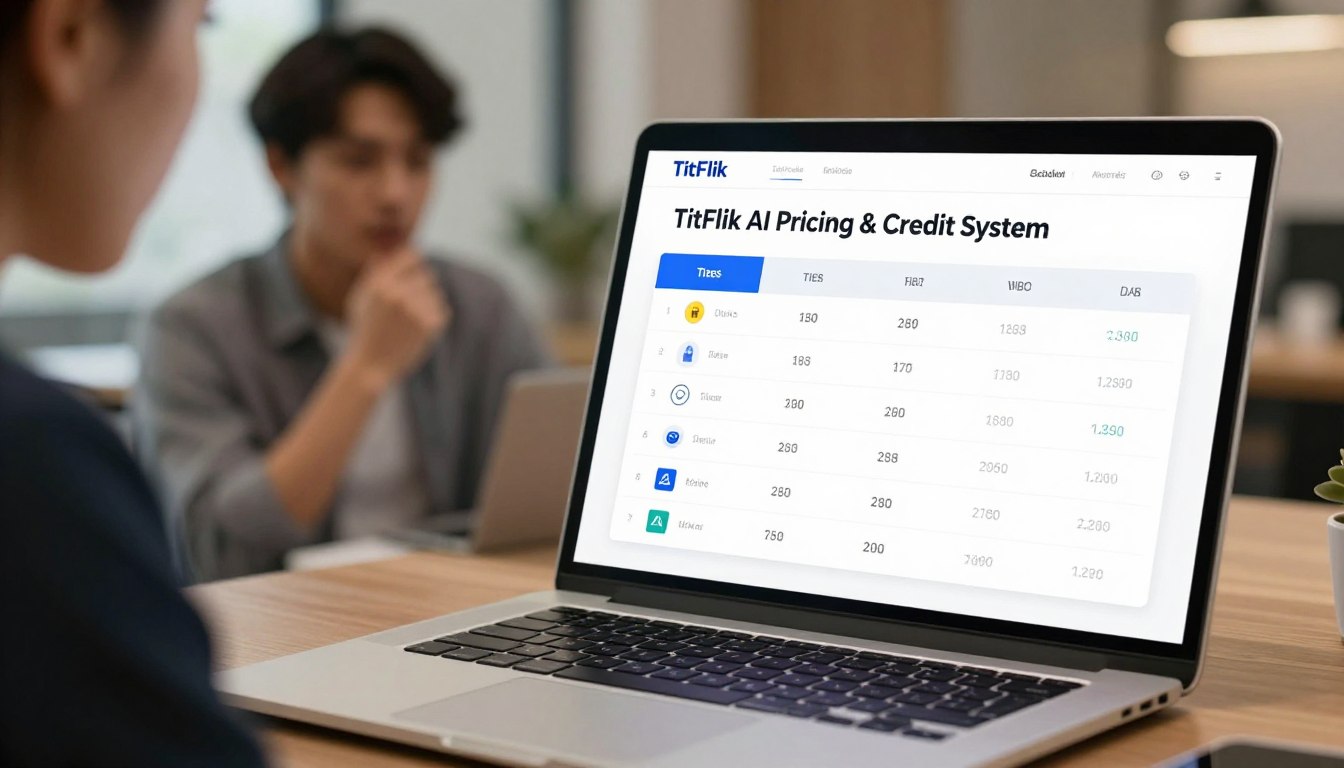
Which subscription truly matches your video goals and budget? Choosing the right plan can change how fast you produce content and how much you spend each month.
You need clear answers about credits, features, and limits. This guide breaks down each tier so you can compare value and avoid surprise costs.
Whether you work solo or lead a team, understanding the credit system helps you pick the plan that fits your workflow. We explain feature sets, typical use cases, and how to balance cost with capability.
Key Takeaways
- Learn how credits translate to output so you can estimate real costs.
- Compare tiers by features, not just monthly fees.
- Find the sweet spot for solo creators versus teams.
- Spot common limits that can slow production.
- Use our checklist to match a plan to your workflow.
Understanding the Value of AI Video Generation
Modern creators rely on smart video tools to turn ideas into polished clips fast.
The role of automation in content simplifies how you move from text or a blog script to finished media. With 12M+ users and 100M+ videos created, the generator is a common tool for creators and teams.
The Role of AI in Modern Content
Automated workflows cut the time to deliver a short video to just minutes. You can convert text and a script into visual clips with stock images, audio, and lifelike voices.
Efficiency Gains for Creators
- You replace costly gear and editing time with one production tool.
- Support for 80+ languages helps you scale reach with localized voice and visuals.
- Trusted by 50,000+ companies, the platform bundles images, audio, and stock media.
| Metric | Impact for You | Typical Result |
|---|---|---|
| 12M+ users | Proven adoption | Faster video creation |
| 80+ languages | Broader reach | Localized voices |
| 100M+ videos | Reliability | Repurpose blogs to clips |
| 50,000+ companies | Enterprise-ready | Scalable production |
Analyzing TitFlik AI Pricing Tiers
Choosing the right tier affects how many finished videos you can deliver each month.
The model is built to cover creators, growing teams, and enterprise groups. Each subscription tier gives a defined pool of credits per month so you can plan output without surprises.
Compare the available plans to see which options unlock advanced features and collaboration tools for your team. Small creators will value a low-cost subscription with steady credits. Teams and enterprise users often need higher monthly allotments and more platform access.
The system scales as your needs grow. You can upgrade when your content demand rises and add seats for more users.
- Flexible tiers for solo creators, teams, and enterprise.
- Monthly credit allocations to match production goals.
- Clear access rules so the right users get advanced tools.
| Tier | Credits / month | Best for |
|---|---|---|
| Starter | Low credits | Solo creators |
| Business | Medium credits | Small teams |
| Enterprise | High credits | Large organizations |
Understanding the pricing structure helps you forecast costs and choose a plan that supports long-term growth.
Evaluating the Free Plan Limitations
A free account lets you try the platform, but it also reveals practical limits fast.
The free plan is a smart way to test the video generator and basic features without cost. It helps new creators check how the system handles short scripts and basic edits.
Expect limits on monthly credits that cap how many videos you can produce in minutes. Those caps make it hard to keep a steady publishing cadence if you need more output.
You may also see watermarks on exported content. That makes the free tier less suitable for commercial or client work.
- Low credits per month restrict volume.
- Watermarked exports affect professional use.
- Fewer languages and basic script tools are included.
When your content needs grow, upgrade to remove watermarks, get more credits, and unlock advanced script and language support.
| Plan | Credits / month | Watermark |
|---|---|---|
| Free | Low | Yes |
| Standard | Medium | No |
| Business | High | No |
Benefits of the Standard Subscription
If you publish videos regularly, the Standard plan removes common bottlenecks in production. This subscription is built for creators who need a steady, reliable platform to deliver high-quality video each month.
More credits mean less waiting. Upgrade and you get a larger monthly credit pool so you can turn scripts into polished videos in fewer minutes. That faster turnaround keeps your content calendar full without stretching your schedule.
The Standard tier also targets lower production costs. Many companies report dramatic savings after switching to automated workflows—cutting production costs by up to 90% in some cases. Those savings show up month to month.
Localization at scale is included. With support for 80+ languages you reach broader audiences without extra translation fees, and your content stays consistent across markets.
- Balanced features and pricing for small businesses and solo creators.
- Generous monthly credits that speed up video production.
- Reduced production costs and better return per month spent.
Why Power Users Choose Premium
Power users pick Premium when speed, scale, and advanced access matter to their workflow.
Priority rendering gets your video ready in minutes instead of hours. This cuts turnaround time so you can meet tight deadlines and publish more content each month.
Priority Rendering Benefits
When rendering is prioritized, long queues no longer slow production. You’ll move from script to finished clips faster. That reliability matters for creators who publish daily or run campaigns with strict schedules.
Advanced API Access
Premium plans include expanded API access so you can plug the video generator into your production systems and media tools. This streamlines uploads, editing calls, and batch exports.
Other premium advantages:
- Full access to premium voices and avatars for richer audio and visuals.
- Higher monthly credits to support large projects without interruption.
- Latest model updates for better voice quality, stock media, and multilingual support.
“Premium turns intermittent output into a predictable, high-volume workflow for teams and serious creators.”
| Feature | Benefit | Best for |
|---|---|---|
| Priority rendering | Faster exports in minutes | Daily publishers |
| Advanced API | Seamless integration with tools | Production teams |
| Premium voices & avatars | Professional audio and visuals | Branded content |
| Higher credits / month | Supports larger volume | Agencies & enterprises |
Enterprise Solutions for Large Teams
Large organizations need a single system that lets many teams produce consistent videos at scale.
Enterprise plans are built for high-volume video production across departments. You get dedicated support and tailored training so your team learns the platform quickly.
Monthly credit allocations are flexible and designed to cover long renders and complex projects. That lets your creators move from brief to finished video in fewer minutes and with predictable month-to-month costs.
Enterprise access includes advanced controls to maintain brand standards, centralized asset libraries, and multi-user permissions. This keeps content consistent whether one group or many are creating assets.
You also gain account-level reporting, priority queues, and options for enterprise languages and integrations. These tools streamline workflows and help large teams scale output without losing quality.
- Dedicated support and customized training for your users.
- Flexible monthly credits for large projects and batch renders.
- Centralized controls to enforce brand and workflow consistency.
Comparing Monthly Versus Annual Billing
Deciding between monthly and annual billing affects both your cash flow and how many videos you can produce over a year. The choice shapes how you plan spend, output, and project timelines.
Long-term Savings
Annual plans often deliver the biggest savings over time. By paying once a year you usually lock in a lower effective rate and a larger credit allotment.
More credits per year means you can produce extra video projects without hitting monthly limits. That frees you to batch work and keep a steady publishing rhythm.
- Annual billing lowers the per-month cost compared with month-to-month payments.
- Upfront payment gives you predictable budgeting and fewer billing surprises.
- If your team has steady demand for content, annual plans usually offer the best value.
| Billing Type | Typical Benefit | Best for |
|---|---|---|
| Monthly | Flexibility to cancel or change | Low-volume or trial users |
| Annual | Lower effective cost and extra credits | Steady monthly creators and teams |
| Annual (prepaid, high) | Highest credit volume and support options | Agencies with heavy monthly demand |
Evaluate your average usage per month and compare it to the extra credits you get with an annual plan. That simple check will tell you if the upfront investment delivers real savings for your video workflow.
Understanding the Credit System
Credits act like fuel for your video projects, powering every export and render. This system sets how many finished videos you can create each month on the platform.
Every time you turn text, a blog post, or a script into a video, credits are deducted based on length and complexity. That means long clips or high-resolution exports use more credits than short edits.
You can spend credits on voices, images, and generator tools to upgrade the final content. Use premium voices or advanced model features and the balance shrinks faster, so plan which features matter most for your goals.
- Track minutes used per render to avoid suddenly hitting your cap.
- Batch similar projects to get predictable monthly output.
- Audit which tools consume the most credits and adjust your workflow.
“A transparent credit model helps creators forecast output and avoid surprise limits during peak months.”
Maximizing Your Return on Investment
Make every credit count by automating repetitive video tasks that drain your schedule. Use templates, batch renders, and consistent scripts to cut manual work and speed up creation.
Track monthly usage so you know which workflows eat the most credits. That data helps you choose a plan that fits your output and avoids surprise costs.
Repurpose existing assets to boost output. Turning one long piece of content into short clips doubles reach without doubling budget. The current model supports fast iteration, so you can test formats and learn what drives engagement.
- Automate routine edits to save minutes per clip.
- Analyze credits per month to optimize your plan and pricing decisions.
- Repurpose assets to increase volume without extra spend.
- Test formats quickly with the model to find what works for creators.
| Action | Benefit | Result / month |
|---|---|---|
| Batch exports | Less manual time | More videos |
| Repurpose assets | Lower cost per clip | Higher output |
| Upgrade tier | More credits & priority | Faster production |
Essential Features Included in Paid Plans
Paid plans bundle several production-grade tools that speed up your video workflow. These upgrades matter when you need reliable output and consistent quality each month.
Voiceover Library Access
Paid tiers unlock a large voice library with hundreds of realistic voices you can use for narration. That gives you flexible audio options for any script and helps keep your content fresh.
AI Avatar Integration
Avatars let you add a human presence without on-camera shoots. Use them for short clips, product intros, or training videos to save time in creation.
Multi-language Support
Multi-language support covers 80+ languages, so you can localize videos and reach new markets. Combine this with premium stock media and images to polish visuals quickly.
- Access to premium stock, audio, and visuals for professional results.
- Faster renders and higher credits for frequent creators and enterprise teams.
- Workflows that produce quality videos in minutes using templates and batch exports.

Scaling Your Content Production Workflow
Scaling content production lets small practices turn a few blog posts into a steady stream of client-facing videos.
Start with repeatable steps: convert text and a script into short clips, reuse templates, and batch exports each month to cut manual work.
Dr. Rachel Chen’s clinic saw a 30% growth after adopting automated tools that handled video creation and training materials. You can replicate that by turning existing blog posts into social and training videos in minutes.
Keep production costs low by centralizing assets and brand guidelines so your team and teams share the same templates, voices, and visuals. That reduces rework and ensures consistent output.
Use the platform’s collaboration tools and multi-language support to reach new markets without hiring extra staff. Track credits per month and focus tools where they cut the most time.
- Batch converts blog content to video for steady output.
- Create training videos and social posts in minutes from one script.
- Share assets across your team to lower production costs and boost quality.
Customization Options for Brand Identity
Make your brand instantly recognizable by applying logos, fonts, and colors to every exported video. These simple steps keep your visuals consistent across social channels and landing pages.
You can pick specific voices and avatars that match your tone. Choosing the right voice and avatar makes your content feel authentic and professional.
The editor also lets you tweak images, clips, and other media so the final visuals reflect your style. Adjust frames and transitions in minutes to keep a polished look.
- Embed logos and brand fonts into every clip for consistency.
- Select voices and avatars that match your audience and message.
- Localize script and languages to target specific markets each month.
“Brand controls turn a collection of clips into a unified content library you can trust.”
| Customization | Benefit | When to use |
|---|---|---|
| Brand kit (logos & fonts) | Consistent visuals | All campaigns |
| Voices & avatars | Recognizable tone | Narration & intros |
| Media & visuals | Polished clips | Product demos |
Assessing Your Specific Video Needs
Start by listing how many finished videos you must publish each month to meet your goals.
With a 4.8 rating from 5,000+ reviews, many users agree that clarity about needs is the best first step. Count the videos you need and note typical length in minutes.
Next, decide if you need multi-language support or custom voices. Those features affect credits and the level of access you should pick on the platform.
Evaluate your current production workflow. Map each step from text or a blog script to final export. That shows where this generator or tool can save you time.
Plan your script and visual style before you start. Users who do this spend fewer credits and finish faster.
- How many videos per month do you publish?
- Do you need multiple languages or premium voices?
- Will the system integrate with your current tools?
“A clear plan helps you choose the tier that gives the credits and access your team actually uses.”
Navigating Potential Add-on Costs
Add-on fees can quietly raise your monthly bill if you don’t audit them regularly.
When you review your plan, check which features are included and which are sold separately. Some upgrades add extra credits or premium voices and may not be part of your base monthly pricing.
Track actual usage so you know whether a small add-on or a plan upgrade is the better move. Reviewing your usage each month prevents surprises and keeps your video budget steady.
- Audit which tools consume the most credits.
- Compare one-off add-ons versus an upgraded tier for long-term value.
- Turn off optional features you rarely use to reduce spend.
Match purchases to your content goals. If you often hit limits, an upgraded plan usually gives better value than repeatedly buying single add-ons. That reduces friction and helps you scale with clear costs.
| Cost Type | When to Use | Pros | Cons |
|---|---|---|---|
| Single add-on | Occasional overages | Low upfront spend | Can add up over time |
| Credit pack | Short campaign spikes | Flexible burst capacity | Higher per-credit cost |
| Plan upgrade | Consistent overuse | Lower cost per credit, priority features | Higher monthly commitment |
Comparing Value Against Competitors
Compare how each service converts the same script into a final clip to see real differences in value.
Focus on outcomes: test the same short project across platforms to judge final video quality, turnaround time, and the voice used for narration.
Look at plans and what each subscription unlocks. Check whether features and access match your team needs. A simple editor may work for solo creators, while teams and enterprise groups need collaboration and expanded access.
Support matters. Fast, clear help shortens disruptions. Integration with your existing content workflow is also essential. If a tool plugs into your CMS or media drives, you save time each week.
- Compare final output quality, not just specs.
- Weigh support and scalability for teams and enterprise use.
- Test a single script across platforms to measure ROI.
| Metric | Competitor A | Competitor B |
|---|---|---|
| Feature breadth | Good | Extensive |
| Enterprise support | Limited | Strong |
| Ease of team use | Medium | High |

“Test before you commit — real projects reveal hidden costs and true value.”
Conclusion
Conclusion
Selecting a tier that aligns with your goals ensures steady content delivery and fewer interruptions.
Review how many videos you need each month and match that to monthly credits. That simple step helps you avoid overages and keeps your workflow predictable.
Understanding the platform’s pricing tiers and credit system lets you plan long-term growth. Whether you work solo or manage a large enterprise, the right plan gives tools to scale without wasting time.
We hope this guide helped you compare options and choose a subscription that fits your video production needs. Start exploring the plans and take the first step toward smoother, more professional content creation.
FAQ
What are the main tiers and who should pick each one?
The platform offers Free, Standard, Premium, and Enterprise tiers. Choose Free to test features and generate short clips. Pick Standard if you create weekly social content and need more minutes, stock media access, and basic team tools. Opt for Premium when you require priority rendering, expanded minutes, advanced voices and avatars, and API access. Enterprise fits organizations that need single sign-on, custom quotas, dedicated support, and volume licensing for many users.
How does the credit or minutes system work?
Credits convert into video minutes, clips, or advanced features depending on your plan. Simple clips use fewer credits, while high-resolution videos, long durations, or AI avatar renders consume more. You can top up credits, and some subscriptions include monthly allotments. Check the plan details to see how many minutes or credits you’ll receive each billing cycle.
What limitations exist on the Free plan?
The Free plan restricts export quality, monthly minutes, and access to premium voices and avatar models. You’ll find watermarks on some outputs and limited stock assets. Use the free tier to evaluate the editor, script-to-video generator, and basic voice options before upgrading for production use.
When should you upgrade from Free to a paid subscription?
Upgrade when you need higher-resolution exports, more monthly minutes, removal of watermarks, commercial licenses for stock media, or collaborative team features. If you regularly produce branded content, need priority rendering, or want multi-language voiceovers, a paid plan pays back quickly.
What benefits does the Standard subscription include?
Standard typically increases monthly minutes, unlocks full HD exports, provides a larger library of stock clips and images, and enables multi-user access with basic collaboration. You also get more voice options and longer script-to-video outputs compared with the Free tier.
Why do power users choose the Premium level?
Premium adds priority rendering, expanded monthly minutes, premium voices, advanced AI avatars, and lower per-minute costs for large projects. It suits creators who produce high volumes of content, run ad campaigns, or need fast turnaround for client work.
What are the advantages of priority rendering?
Priority rendering shortens queue times, which speeds delivery for urgent projects. That improves workflow predictability and helps you meet tight deadlines for campaigns, social drops, or client deliverables.
What does advanced API access provide?
Advanced API access lets you automate video creation, integrate the platform with content management systems, and trigger batch renders. This streamlines production for developers, marketing stacks, and tools that need large-scale programmatic video generation.
What do Enterprise solutions include for large teams?
Enterprise plans offer custom minutes and credit bundles, dedicated account management, enterprise security (SSO, audit logs), SLA-backed uptime, and custom training on templates and brand controls. They also provide volume discounts and tailored integration work to fit complex workflows.
Is monthly or annual billing better for cost savings?
Annual billing usually offers a discount versus monthly plans, lowering your effective cost per month and increasing included minutes or credits. Monthly billing gives flexibility if your needs change. Choose annual if you plan consistent production for the year.
How do you get the most return on investment?
Maximize ROI by using templates, batching scripts, recycling footage, and repurposing longer videos into short clips. Leverage stock media and voiceovers strategically, and monitor minute consumption to avoid overspending on add-ons or extra credits.
Which essential features come with paid plans?
Paid plans unlock higher export quality, extended minutes, commercial stock media access, premium voices, AI avatar integration, multi-language support, team collaboration, and priority support. These features remove production bottlenecks and improve brand consistency.
What voiceover and voice library options are available?
Paid tiers expand the voice library with natural-sounding options across accents and languages. You’ll find adjustable pacing, tone, and pronunciation controls, plus the ability to upload custom voice files or use synthetic voice cloning where allowed under the provider’s policy.
How does AI avatar integration help your videos?
AI avatars let you produce presenter-style videos without on-camera talent. They speed up localization, maintain a consistent host across content, and reduce casting and studio costs. Avatars often pair with script-to-video tools for quick production.
What multi-language support can you expect?
Multi-language support includes translated scripts, regional voice options, and subtitling. Professional plans usually offer more languages and improved localization features for global campaigns and diverse audiences.
How can you scale your content production workflow?
Scale by creating reusable templates, setting brand kits, delegating tasks with team roles, automating renders via API, and buying bulk credits or minutes. This reduces per-video production time and keeps outputs on-brand.
What customization options exist for brand identity?
You can add brand fonts, color palettes, custom intros/outros, watermark-free exports, and saved templates. Enterprise plans may allow locked brand elements so all team members follow corporate guidelines.
How do you assess your specific video needs?
Estimate monthly minutes, clip lengths, required resolutions, number of team users, and needed features like avatars or API. Match those needs to plan inclusions and calculate whether a subscription or top-up credit model is more cost-effective.
What potential add-on costs should you expect?
Add-ons may include extra minutes, premium stock assets, dedicated render slots, custom voice cloning, and enterprise integrations. Review the per-minute or per-asset fees to forecast total production costs accurately.
How does the platform compare to competitors for value?
Compare included minutes, export quality, voice and avatar libraries, API capabilities, and team features. Look at total cost of ownership including add-ons, support levels, and scaling discounts to decide which product delivers the best value.